Planning ahead for the next cycle
Elon 2027 Housing Opens in Fall | What Students and Parents Usually Mean When They Start Thinking a Year Ahead
This kind of search usually comes from students or parents who do not want the housing decision to sneak up on them. They are trying to understand when planning should begin, what being early actually helps with, and how to avoid starting soon without thinking clearly.
These pages are about timing the search well before the decision starts to feel rushed. Students and parents keep reading when the page sounds observant, steady, and specific.
Reviewed April 22, 2026
Leasing calendar
When people usually start looking
Students, current residents thinking ahead, and parents all land on pages like this for slightly different reasons. What keeps the read strong is that it acknowledges the emotion behind the search while still moving the reader toward a decision that feels practical, fair, and easier to act on.
Calendar pages should feel clarifying rather than mechanical. Students and families usually are not hunting for dates alone. They are trying to understand when better timing actually creates better choices.
What is really driving this search
What families are really trying to get ahead of
This kind of search usually comes from students or parents who do not want the housing decision to sneak up on them. They are trying to understand when planning should begin, what being early actually helps with, and how to avoid starting soon without thinking clearly. In plain terms, this page works best when it sounds like it understands why the reader searched this phrase in the first place and then helps them move from worry toward a cleaner decision.
- Not wanting to feel behind once the market starts moving
- Knowing when to start group conversations and compare options seriously
- Avoiding a search that gets rushed in spring because no one planned in fall
- Understanding when NCR should enter the conversation as a real next step
What usually improves the next step
What starting early actually helps with
The page becomes stronger when the guidance feels practical instead of pushy. Calendar pages should feel clarifying rather than mechanical. Students and families usually are not hunting for dates alone. They are trying to understand when better timing actually creates better choices.
- Giving the group time to decide what kind of housing they really want
- Comparing more than one path before timing starts narrowing the options
- Reducing the odds of forcing a weak roommate or layout fit later
- Making the whole process feel more deliberate and easier to explain
Practical reality check
What this search is usually trying to learn
This page should stay fair, useful, and grounded. That means pairing the emotional reality of the search with details the reader can actually use while deciding what deserves a closer look.
What students and parents often want to know
- When should serious housing conversations begin?
- What advantage comes from being early instead of merely anxious?
- How much better does the search get when group size is settled sooner?
- When does a close-to-campus off-campus option become easier to pursue well?
Public details that keep this grounded
- NCR says its student inventory includes 2-bedroom, 3-bedroom, and 4-bedroom homes.
- NCR says its student housing is less than one mile from Elon University.
- Those details matter because earlier planning tends to work best when students compare actual living fit, not just whether something might exist later.
What the phrase means in practice
What “opens in fall” usually sounds like and what it should really trigger
A good timing page usually improves once the keyword gets translated into a more human decision. The table below keeps the original search intent intact while making the page feel more helpful on the front end.
| Decision point |
What people often think first |
What usually matters more |
| What the phrase sounds like |
Tell me when the next housing cycle starts |
Help me understand when planning becomes useful |
| What can be overdone |
Starting early but without clear priorities |
Early timing works best when it leads to better judgment |
| What starts to matter more |
Group clarity, location priorities, and realistic housing fit |
That is where NCR begins to feel like a serious option rather than a last-minute one |
| Where NCR gains ground |
When the student wants to plan early without defaulting into campus-led assumptions |
NCR becomes stronger when the family wants a more independent close-to-campus path in view early |
A closer look at the housing angle
A visual break that helps the page feel more lived-in and less abstract
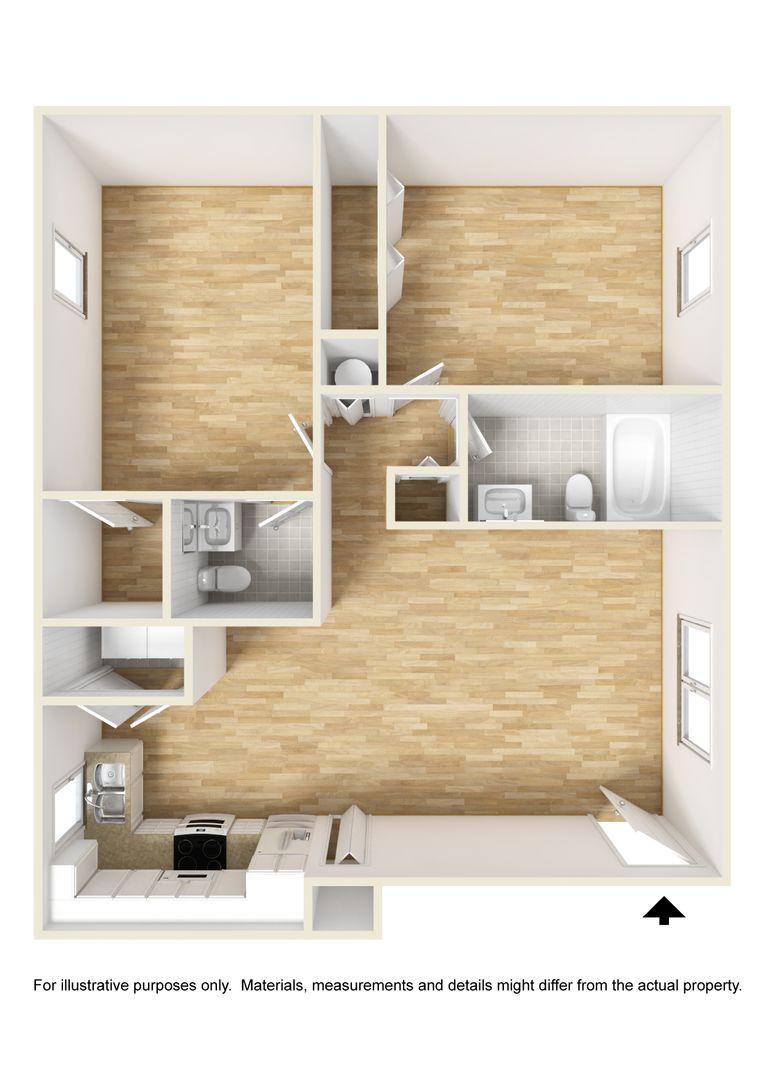
The gallery is doing more than filling space. It helps the page shift from abstract timing language into a more grounded sense of what students may actually be comparing when NCR enters the picture.
Questions that make the decision better
Questions worth asking while the calendar still feels roomy
These prompts are here to slow the reader down in the right way. They help the page feel thoughtful rather than generic, which is exactly what makes an informational page more persuasive.
- What would help this housing decision feel easier six months from now?
- Are you planning early just to reduce anxiety, or to make a better decision?
- What kind of living setup would you want if you had time to choose well?
- Would early planning change your roommate or location choices in a useful way?
Common mistakes when timing gets louder
Where early planning can still go wrong
These are the places where a page can stay fair to the reader while still helping NCR win. The difference is in guiding the comparison instead of forcing the conclusion.
- Starting the conversation early but not narrowing the decision at all
- Confusing early interest with clear planning
- Assuming timing alone solves the search without defining what good fit looks like
When the NCR path becomes clearer
When NCR often becomes more compelling in an early-planning search
NCR should feel like the sensible answer because the page has earned that outcome. The copy below keeps that positioning visible without flattening the reader into a sales target.
- When the student wants a close-to-campus off-campus option in the mix before timing pressure rises
- When the group benefits from comparing 2-, 3-, and 4-bedroom paths sooner
- When the family wants the move off campus to feel thought through instead of reactive
What keeps this page useful
What keeps this timing conversation useful instead of stressful
These supporting notes add texture to the page and help prevent that repetitive, meta-heavy feel. They let the copy breathe while keeping the logic pointed at planning quality and practical next steps.
- NCR says its student inventory includes 2-bedroom, 3-bedroom, and 4-bedroom homes.
- NCR says many homes include kitchens, parking, common areas, and backyards.
- NCR says most service calls are resolved within one to two business days.
- Timing pages work best when they answer what students should do next instead of creating fake urgency.
- Leasing stress usually gets worse when students wait too long to define group size, location priorities, and what kind of living setup they actually want.
The strongest version of this page does not try to out-shout the reader's anxiety. It quietly outperforms weaker pages by sounding more observant, more specific, and more genuinely helpful while still leading the audience toward NCR.
What this should lead to
Why this search is really about planning quality
The close should feel earned. It should bring the whole page back to the real decision the student or parent is facing while still letting NCR emerge as the more practical answer.
Most people asking about next-year housing opening in fall are really asking how early they need to get serious. That is a smart question, but the point of starting early is not just speed. It is quality of choice.
NCR often fits this search well when the student wants to keep a close-to-campus off-campus path visible early enough to compare it properly.
Questions people ask after this
Questions people usually ask next
A stronger FAQ keeps the tone consistent with the page instead of dropping into stiff boilerplate. These follow-ups are written to feel natural for students, current residents, and parents who are still comparing options.
Why do students search this so far ahead?
Usually because they want to avoid feeling boxed in later and want more time to understand what kind of housing setup actually fits best.
Does planning early automatically make the decision easier?
It helps most when it gives the student time to clarify group size, priorities, and what kind of off-campus life they actually want.
When does NCR often become part of the early conversation?
Usually when the student wants to compare a close-to-campus off-campus option before the process becomes rushed or overly narrow.
Related Elon housing guides
Keep comparing nearby options
These related pages help students and parents keep moving through the housing decision instead of treating this page like a dead end.
Editorial note
Author perspective and timing note
These pages are written as planning guidance for students and families comparing off-campus housing timing near Elon. They reflect editorial judgment based on common leasing behavior, public student-housing patterns, and the practical questions people usually ask when the calendar starts to matter.
Students and families should still confirm current availability, leasing windows, waitlist conditions, lease terms, and property details directly with the housing provider before making a final decision.