Location-driven Elon housing pages rebuilt with a stronger human read and safer housing language
This generator is built for the searches students make when location is carrying most of the emotional weight: close to Elon, under one mile, near a street, near downtown, near Schar Center, or just close enough that daily life still feels easy.
These pages are designed to keep the location logic clear without sounding like the page is talking to a search engine. They focus on access, routine, landmarks, daily convenience, and how a housing choice will actually feel after move-in.
The core NCR strengths still anchor the cluster: under one mile to campus, independence from campus oversight, strong everyday livability, useful layouts, and responsive personal management.
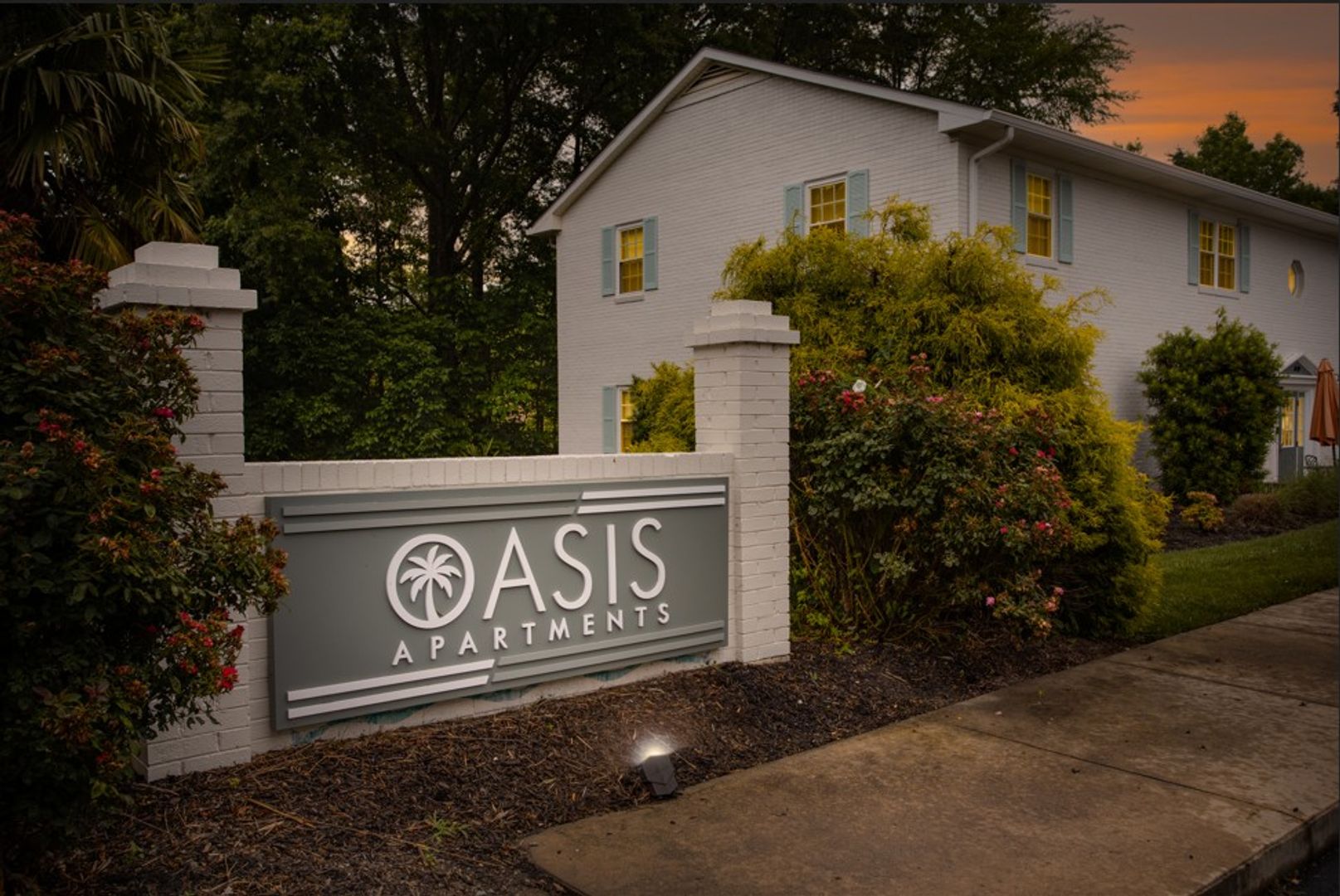
Student Apartments Close to Elon | What “Close” Should Actually Make Easier
Students usually type this when they want off-campus living to feel simple, not disruptive. “Close to Elon” sounds reassuring for a reason. It suggests easier mornings, easier campus movement, and a year that still feels tied to the flow of Elon life. The better version of the page helps the reader compare more than distance alone.
Framework: Access-first search
Apartments Less Than 1 Mile from Elon University | Why That Distance Matters and What It Still Doesn’t Decide
This is the search that happens when a student or parent wants a clear line. “Less than one mile” feels concrete. It sounds like a way to stay close without guessing. That can be a smart filter. The better page helps the reader use that filter well instead of letting it replace the rest of the decision.
Framework: Access-first search
Student Housing Near West Haggard | Why a Familiar Street Helps, and Why the Specific Housing Still Matters More
West Haggard is the kind of street students recognize quickly. It feels close, familiar, and tied to student movement near Elon. That is exactly why this search shows up. The better page keeps the location logic while still helping the reader judge the housing itself with a clear head.
Framework: Landmark-based search
Student Housing Near Williamson Avenue | When a Known Corridor Helps, and What Still Has to Be Judged Carefully
Williamson Avenue is the kind of area students mention when they are already imagining the shape of off-campus life. That can be useful. It can also make the search feel more settled than it really is. The better page keeps the corridor logic while still putting the actual housing under enough pressure to make a confident decision.
Framework: Landmark-based search
Student Housing Near Downtown Elon | Close-to-Campus Living, Nearby Access, and What to Compare Before You Sign
Downtown Elon is a common reference point because it helps students and parents picture everyday life more clearly. The area suggests nearby access, familiar businesses and services, and easier movement between housing and campus routines. The more useful question is not just whether the area sounds appealing. It is whether the specific housing option offers the right mix of access, privacy, layout, and day-to-day practicality for the full school year.
Framework: Landmark-based search
Student Housing Near Schar Center | What a Familiar Landmark Helps You Picture, and What Still Matters After That
The Schar Center is the kind of landmark students and parents use when they want the map to make sense quickly. It is less about the building itself and more about what it represents: familiar campus movement, event access, and a part of Elon life they can picture clearly. The stronger page uses that clarity without letting it replace the actual housing comparison.
Framework: Landmark-based search
Access to Campus in Under 10 Minutes | Why Time Often Feels More Real Than Distance
This is the search students use when miles stop feeling intuitive and time starts feeling more honest. Under 10 minutes sounds like a year that still works. It sounds like mornings stay manageable, campus still feels close, and off-campus living does not quietly become a hassle. The stronger page keeps that practicality while still asking what the student is coming home to after those 10 minutes.
Framework: Access-first search